
The Hudson Memorial Bird Sanctuary
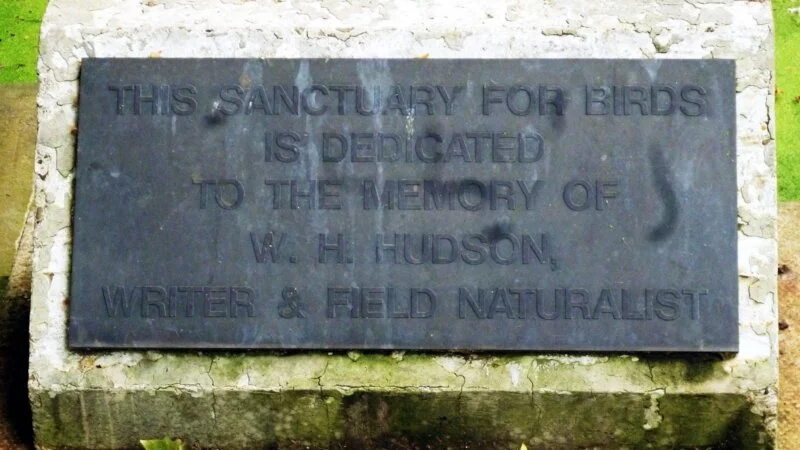

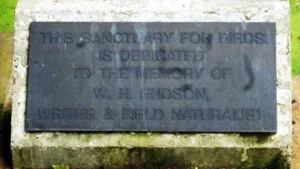
The Hudson Memorial Bird Sanctuary is a carved stone memorial commemorating the 19th century writer and naturalist, William Hudson. He helped to establish the Royal Society for the Protection of Birds and campaigned for wild areas in parks, at a time when they were always neat and tidy.
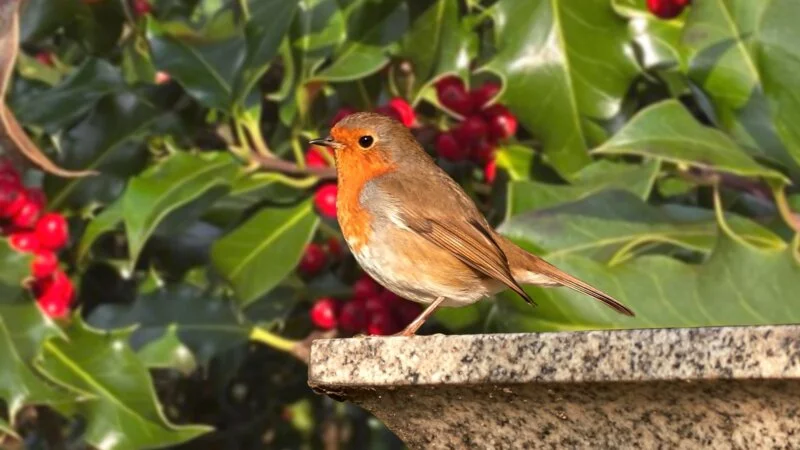
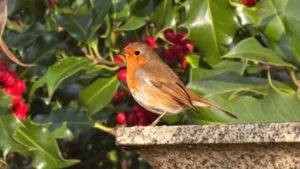
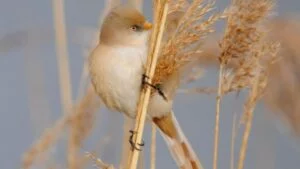
The carving, by Sir Jacob Epstein, represents Rima, the child goddess of nature who featured in Hudson’s novel Green Mansions, published in 1904. The engravings are by the designer Eric Gill. The memorial was installed in 1924 and was immediately controversial. The Daily Mail wrote: “take this horror out of our park”. Today, this area is a refuge for smaller birds, such as robin, tits, blackbird, wren and goldcrest.
Hyde Park provides a unique habitat in the heart of London for a diverse variety of species of flora and fauna. Positive changes in management practices have gone a long way to encourage new species into the park.
The creation of the meadow area gives a flavour of how Hyde Park once looked and this area has become more diverse year on year since its creation. Have a look during the summer for butterflies feeding off the native wildflowers in the meadow.
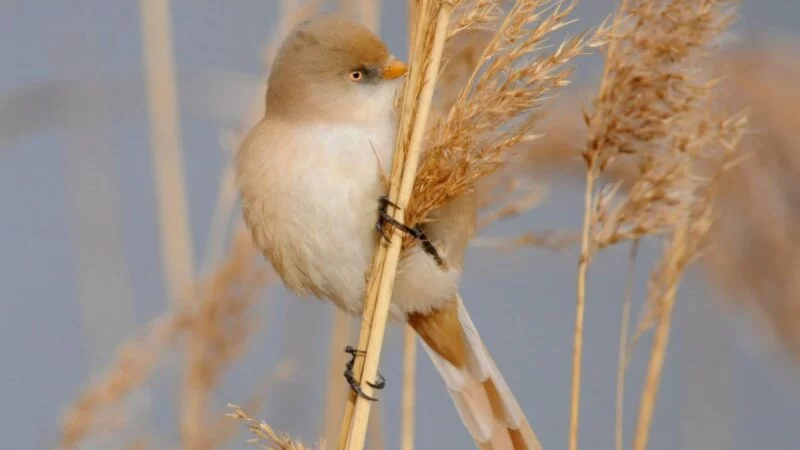
The trees, shrub beds and herbaceous plantings provide rich habitats for song birds including the robin, dunnocks and tits. Look out for small groups of Long Tailed Tits that hop around from tree to tree looking for insects and nesting materials. However, over feeding of aggressive feral pigeons and squirrels threatens the native song birds as they are not able to compete with these pests.
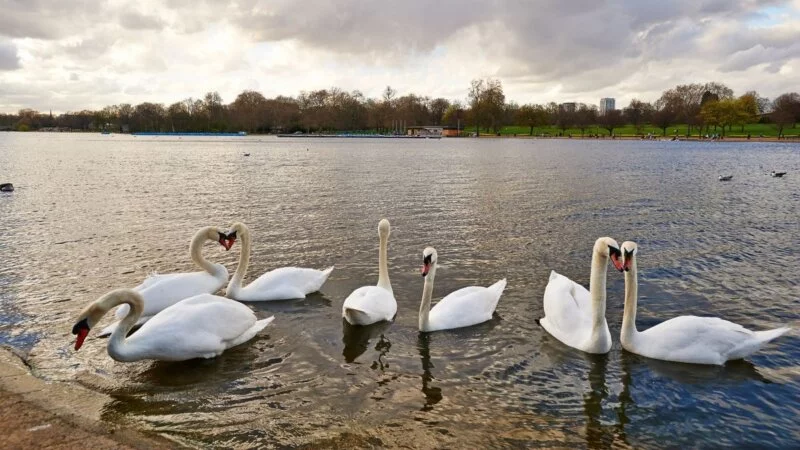
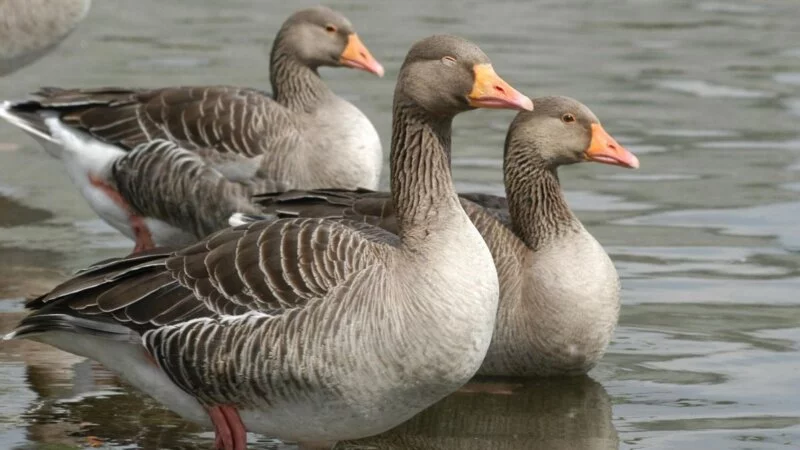
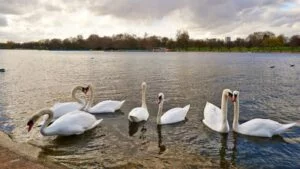
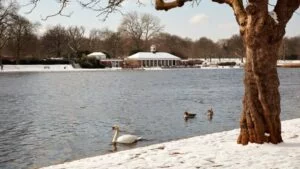
The Serpentine attracts a large number of wildfowl into the park, many of which are winter visitors to the park. Look out for the exotic looking great crested grebes and their spectacular mating rituals. The lake also attracts a large number of insects that provides a perfect feeding ground for bats. The best place to view bats is on Dell bridge around dusk and also close to Serpentine Bridge.
Much of the wildlife in the park goes unnoticed by the majority of visitors. This includes a large number of ‘minibeasts’ such as beetles, bees and ground foraging insects. These insects are a vital component of the park ecosystem and the creation and protection of their habitats is very important for the overall health of the park.
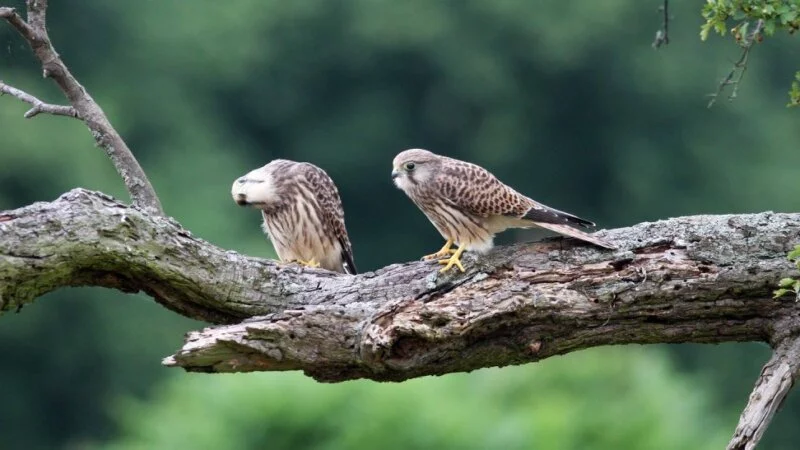
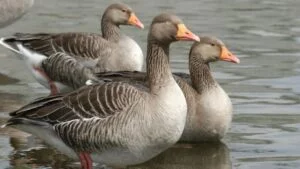
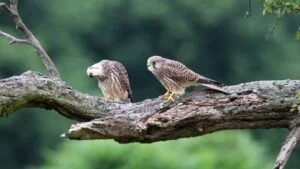
Look out for other exotic and unusual visitors to Hyde Park. Recent sightings have included a black swan, a buzzard and egyptian geese.